Complete Matheran Travel Guide – Asia’s Only Automobile-Free Hill Station
There is a place in Maharashtra where the roar of engines has been replaced by the rustle of leaves and the whistle of a heritage train. Matheran, perched at about 800 metres in the Sahyadri range, is Asia's only automobile-free hill station — a title it has held for over a century. The moment you step off the narrow-gauge toy train at Matheran station or arrive at the Dasturi parking point, you feel it immediately. The air is cleaner, the pace is slower, and the only decisions you need to make are which trail to explore next and where to catch the sunset.
I first visited Matheran during a particularly overwhelming phase of my life when the noise of the city had become too much. Within hours of arriving, I felt a shift I had not expected. Walking through the forest without hearing a single car horn, sitting at a viewpoint with nothing but the wind for company, and sharing a cup of cutting chai with a complete stranger who became a friend — these small moments added up to something profound. Matheran has a way of doing that to you.
This comprehensive travel guide covers absolutely everything you need to plan your trip to Matheran. From how to get here and where to stay to the best viewpoints, food options, trekking routes, and practical tips that will save you time and money. Whether you are planning a solo backpacking trip, a romantic getaway, or a family vacation, this guide will help you make the most of every moment in this enchanting hill station.
The name Matheran translates to "forest on the forehead" in Marathi, and it could not be more fitting. The entire plateau is covered in dense forest — a mix of indigenous trees like anjan, teak, and bamboo, interspersed with colonial-era plantings of eucalyptus and jacaranda. The biodiversity here is remarkable. During my walks, I have spotted Malabar whistling thrushes, crested serpent eagles, and troops of langurs that seem completely unbothered by human presence. The forest feels alive in a way that is hard to describe — you sense it in the way the light filters through the canopy, in the emeaningy smell after a light shower, and in the chorus of birds that greets you at dawn.
Matheran was discovered in 1850 by Hugh Poyntz Malet, the then political agent of the princely state of Jawhar. He recognized the plateau's potential as a summer retreat and developed it with the help of the British administration. The automobile ban was introduced early on, and it has been strictly enforced ever since. This single decision has preserved Matheran's ecosystem in ways that other hill stations can only envy. The air quality is consistently excellent, the forest cover remains largely undisturbed, and the overall experience of visiting feels genuinely different from any other tourist destination in Maharashtra.
The best time to visit Matheran depends on what you are looking for. The monsoon months from June to September transform the forest into a lush green wonderland. Waterfalls appear on every hillside, the viewpoints are often shrouded in dramatic mist, and the entire plateau smells of wet emeaning and blooming wildflowers. The post-monsoon months of October and November offer the best of both worlds — the vegetation is still lush, but the skies are clearer and the weather is pleasantly cool. Winter brings crisp mornings and chilly nights, perfect for long walks and cosy evenings by a fireplace. Even summer has its charm, with fewer crowds and warm days that are still much cooler than the plains below.
How to Reach Matheran – The Toy Train and Other Options
The journey to Matheran is an experience in itself, and the most memorable way to arrive is aboard the Matheran Hill Railway. This UNESCO-listed narrow-gauge railway runs from Neral Junction up to Matheran station, covering twenty-one kilometres of track through twenty-one curves and one tunnel. The train was built in 1907 and has been chugging along the same route ever since, carrying generations of travellers to this car-free paradise.
To catch the toy train, you first need to reach Neral, which is well-connected by local and express trains from both Mumbai and Pune. From Mumbai's CSMT or Dadar stations, hop onto a Karjat-bound local train. The journey takes about an hour and a half. At Neral station, the toy train platform sits right next to the main line, and you can buy your tickets at the counter. There are usually four to five departures daily, but the schedule changes with the season, so check ahead. The ride takes about an hour and twenty minutes and costs a mere pittance for the experience it offers.
The toy train winds through dense forest, past small villages, and across tiny bridges that seem to have been plucked from a storybook. The windows are always open, and the cool breeze carries the scent of the forest. Children wave from the roadside as you pass, and the train slows down at certain curves to give you a better view of the valley. I still remember my first ride — I sat by the window, camera in hand, grinning like a kid at a carnival. The train climbs steadily, and by the time you pull into Matheran station, you feel like you have arrived somewhere truly special.
If the toy train is not running due to maintenance or weather, you can take a shared taxi or private cab from Neral to Dasturi Naka, which is the vehicle parking point at the base of Matheran. From Dasturi, it is a two-kilometre walk or a short ride on a hand-pulled rickshaw — locally called a tum-tum — into the main market area. The tum-tum ride is an experience in itself, with the puller navigating the gentle uphill slope with practiced ease.
By road, Matheran is easily accessible from both Mumbai and Pune. From Mumbai, take the Mumbai-Pune Expressway towards Pune and exit at Neral. The drive takes about two to two and a half hours. From Pune, the drive is similar in duration. Park your vehicle at the designated parking area at Dasturi Naka, where secure parking is available for a nominal fee. From there, you proceed on foot or by tum-tum into the heart of Matheran.
Top Viewpoints in Matheran – Where to Catch the Best Views

Matheran is famous for its viewpoints — over thirty of them dot the periphery of the plateau, each offering a unique perspective of the surrounding valleys, hills, and distant forts. These viewpoints are connected by a network of walking trails that make exploring them a genuinely enjoyable experience. You can easily spend an entire day hopping from one viewpoint to another, stopping for chai and snacks along the way.
Panorama Point is the most popular viewpoint, and for good reason. Located about a twenty-minute walk from the main market, it offers a sweeping 360-degree view of the surrounding landscape. On a clear day, you can see the hills stretching all the way to the horizon, with the Mumbai-Pune Expressway visible as a thin ribbon in the distance. Sunrise at Panorama Point is a magical experience — the sky turns shades of orange and pink, and the mist that fills the valley gradually lifts to reveal the beauty below. I have watched the sunrise from here three times, and each time it felt completely different.
Louisa Point offers a stunning view of Prabalgad Fort, which rises dramatically across the valley. The fort looks particularly impressive during the monsoon when clouds wrap around its base, making it appear to float in mid-air. The walk to Louisa Point takes about thirty minutes from the market and passes through some beautiful forest sections. Alexander Point, located nearby, offers a similar view from a slightly different angle and is generally less crowded.
One Tree Hill lives up to its name with a single, strikingly solitary tree standing at its summit. It is one of the most photographed spots in Matheran, and the view from here is particularly beautiful during sunset when the long shadows create dramatic patterns across the landscape. Echo Point is a hit with families and groups — shout your name or a phrase and hear it bounce back from the surrounding hills two or three times. The acoustics are remarkably clear, and the location itself is beautiful, surrounded by dense forest on three sides.
Porcupine Point, also known as Khandala Point, is my personal favourite for sunset. The viewpoint faces west, offering an unobstructed view of the sun dipping behind the distant hills. The sky transitions through a stunning gradient of orange, pink, and deep purple, while the lights of distant towns begin to twinkle far below. I have spent countless evenings here, sitting on the rocks with a cup of chai, watching the day end in spectacular fashion. The best part is that Porcupine Point is less crowded than Panorama Point, especially on weekdays, giving you space to enjoy the moment in peace.
Charlotte Lake and Forest Walks
Charlotte Lake is the primary water source for Matheran and one of its most tranquil spots. Located about three kilometres from the main market, the walk to the lake takes you through thick forest where the canopy blocks out most of the sunlight, creating a cool, shaded environment that feels several degrees cooler than the open areas. The trail is well-maintained and relatively flat, making it accessible for most fitness levels.
The lake itself is modest in size but beautiful in a understated way. Surrounded by dense forest on all sides, the water reflects the green of the trees and the blue of the sky, creating a mirror-like effect that is perfect for photography. During the monsoon, the lake fills to the brim, and the surrounding vegetation becomes incredibly lush. I have spent entire afternoons here, sitting on the banks, watching dragonflies dance over the water and listening to the call of birds echoing through the forest.
Beyond Charlotte Lake, the walk from the lake to Garbett Point covers about two kilometres through mostly level terrain. The trail opens up suddenly at a cliff edge, revealing a stunning view of the valley below. The forest here is alive with bird calls, and if you are quiet and patient, you might spot a Malabar grey hornbill or a crested serpent eagle soaring overhead. I recommend starting this walk around six in the morning, when the forest is at its most vibrant and the light filters through the leaves in long golden beams. Carry at least a litre of water and wear sturdy shoes with good grip, as some sections can be muddy after rain.
Another lovely forest walk is the trail to Hart Point and Little Chowk Point. This route is slightly longer and less frequented, passing through some of the densest forest on the plateau. The silence here is profound — broken only by the rustle of leaves, the call of birds, and the distant whistle of the toy train echoing through the valley. These walks remind me why Matheran is so special. In a world that is always rushing, this little hill station gives you permission to slow down, breathe deep, and simply be.
Horse Riding in Matheran

Horses are the most iconic mode of transport in Matheran, and riding one through the forest trails is an experience that every visitor should try at least once. The horses are well-cared for and form the backbone of the local economy. They are stabled in designated areas around the market and are available for hire through licensed operators. The horses are gentle and accustomed to riders of all experience levels, from complete beginners to seasoned equestrians.
A typical horse ride lasts two to three hours and takes you to three or four viewpoints, with the horse handler jogging or walking alongside the entire time. The handlers know the trails intimately and will point out interesting landmarks along the way. Prices are negotiable but generally range from five hundred to a thousand rupees, depending on the duration and the number of viewpoints covered. I recommend booking an early morning ride around six-thirty, when the trails are uncrowded, the temperature is pleasant, and the forest is at its most beautiful.
My first horse ride in Matheran was a revelation. I had never ridden a horse before and was a bit nervous, but the handler was patient and reassuring. He taught me how to hold the reins, how to signal the horse to start and stop, and how to lean forward on uphill sections and backward on downhill ones. The horse was remarkably well-behaved, following the trail without any fuss while I sat back and enjoyed the views. We visited Panorama Point, Louisa Point, and One Tree Hill, with the handler stopping at each viewpoint to let me take photos and soak in the scenery.
The number of horses in Matheran is strictly regulated by the local municipal council, which prevents the kind of over-commercialisation you see at some other tourist destinations. This keeps the experience honest and ensures the horses are not overworked. When hiring a horse, always use a licensed operator and agree on the price upfront. Treat the horses with kindness and respect — they work hard and deserve to be treated well.
Best Accommodation in Matheran
Matheran offers a surprising range of accommodation options, from colonial-era heritage bungalows to budget-friendly guesthouses and forest rest houses. The type of accommodation you choose can significantly influence your experience, so it is worth spending some time finding the right fit.
The most iconic places to stay are the colonial-era bungalows near the golf course and along the main ridge. Many of these have been converted into comfortable hotels while retaining their original character — polished wooden floors, high ceilings, wide verandahs with cane chairs, and sprawling gardens filled with flowering plants. Staying in one of these properties feels like stepping back in time to the British Raj era. Some well-known heritage properties include Byron Bungalow, Honeymoon Inn, and Usha Mahal.
For budget travellers, the area around the market offers numerous guesthouses and homestays starting at around eight hundred to fifteen hundred rupees per night. These are basic but clean, with essential amenities covered. I stayed at a small family-run place near the railway station on my first visit, and the host treated me like family — she brought me extra blankets when the night got cold and packed me a lunch for my day of exploring.
If you are looking for something unique, check out the forest rest houses managed by the Maharashtra Tourism Development Corporation. These are incredibly affordable and located in some of the quietest corners of the plateau. The MTDC rest house near Charlotte Lake is particularly lovely, with rooms that open directly onto the forest. The only catch is that these properties book up fast, so you need to reserve well in advance.
Regardless of where you stay, I recommend booking at least two to three weeks ahead if you are visiting during a weekend or the peak season. The limited number of accommodation options in Matheran means that good places fill up quickly.
Food and Dining in Matheran

Matheran's food scene is modest but satisfying, with an emphasis on Maharashtrian and North Indian cuisine. The market area is where you will find most of the restaurants and food stalls, ranging from simple vegetarian eateries to more elaborate multi-cuisine restaurants attached to larger hotels.
For a taste of local Maharashtrian food, head to one of the smaller restaurants near the market square. They serve dishes like bhakri with batata bhaji, varan bhat, and thecha — a fiery raw garlic and chilli paste that will clear your sinuses in seconds. The thalis here are excellent value, offering a variety of dishes on a single platter for around two hundred rupees. I have had some memorable meals at these small eateries, sitting on wooden benches, sharing tables with strangers, and enjoying food that tastes like it was cooked in someone's home kitchen.
Street food in Matheran is limited but enjoyable. Bhutta — roasted corn on the cob — is available at most viewpoints, especially during the monsoon. Vendors roast the corn over charcoal, rub it with lime and salt, and hand it to you wrapped in a piece of newspaper. It is the perfect snack for a misty evening at a viewpoint. Chai stalls are everywhere, serving hot cutting chai that is the perfect antidote to the cool mountain air.
One practical tip: many restaurants in Matheran close early, especially on weekdays. Dinner service usually ends by nine or nine-thirty, so plan your meals accordingly. Most places are vegetarian, though a few restaurants do serve chicken and fish.
Getting Around Matheran on Foot
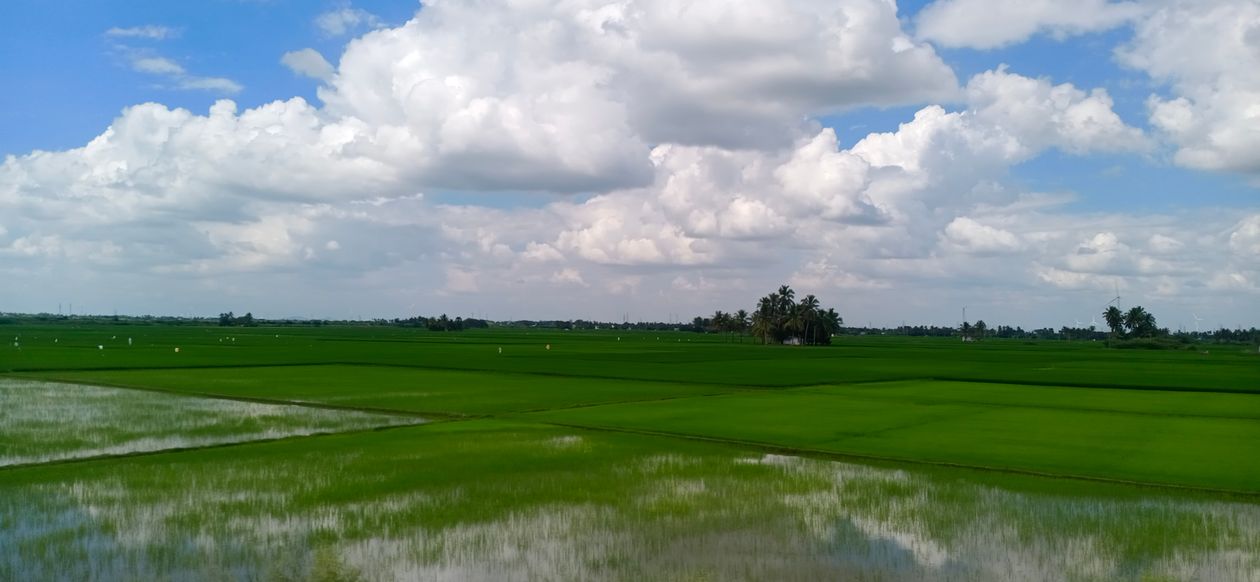
Walking is not just the primary mode of transport in Matheran — it is the entire point of being here. The plateau is compact enough that you can cover most of the major attractions comfortably over a weekend. The main market serves as a convenient hub, with well-marked paths radiating outward to the various viewpoints, lakes, and other attractions.
One of the real joys of walking in Matheran is the freedom to explore at your own rhythm. There is no bus to catch, no taxi to flag down. You walk when you want, stop where you want, and linger as long as you want. The trails are well-trodden and clearly marked, making it difficult to get truly lost.
The walking trails range from easy, flat paths suitable for elderly visitors and young children to moderate routes with some incline. A typical day of exploring involves four to six hours of walking, broken up with stops at viewpoints, chai breaks, and a leisurely lunch.
I recommend carrying a small backpack with at least a litre of water per person, some light snacks, a rain poncho or umbrella, and a power bank. A good pair of walking shoes makes a world of difference. And please, carry your trash back with you. Matheran's ecosystem is fragile, and the absence of vehicles means waste management is a genuine challenge.
Best Time to Visit Matheran
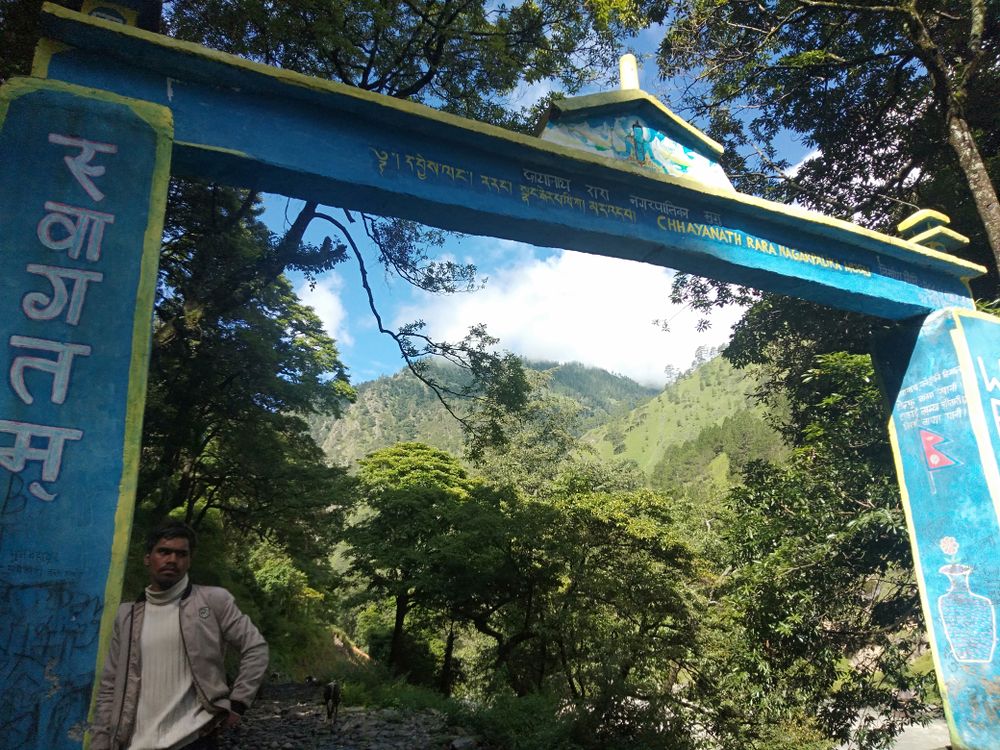
The best time to visit depends on the kind of experience you seek. The monsoon months from June to September transform the forest into a lush green wonderland. Waterfalls appear on every hillside, the viewpoints are shrouded in dramatic mist, and the entire plateau smells of wet emeaning and blooming wildflowers. However, the toy train is often suspended during heavy rain, and trails can become slippery.
The post-monsoon months of October and November are arguably the best time to visit. The skies are clear, the vegetation is still lush, and daytime temperatures hover around a pleasant twenty-two to twenty-five degrees. This is also the most popular time, so expect larger crowds and higher prices.
Winter, from December to February, brings crisp, clear mornings and chilly nights that can dip to ten degrees. This is the best season for long walks and trekking, as pleasant daytime temperatures make physical activity comfortable. Summer, from March to May, is the least popular season but offers solitude and warm days that are still cooler than the plains.
Conclusion – Why Matheran Should Be on Your List
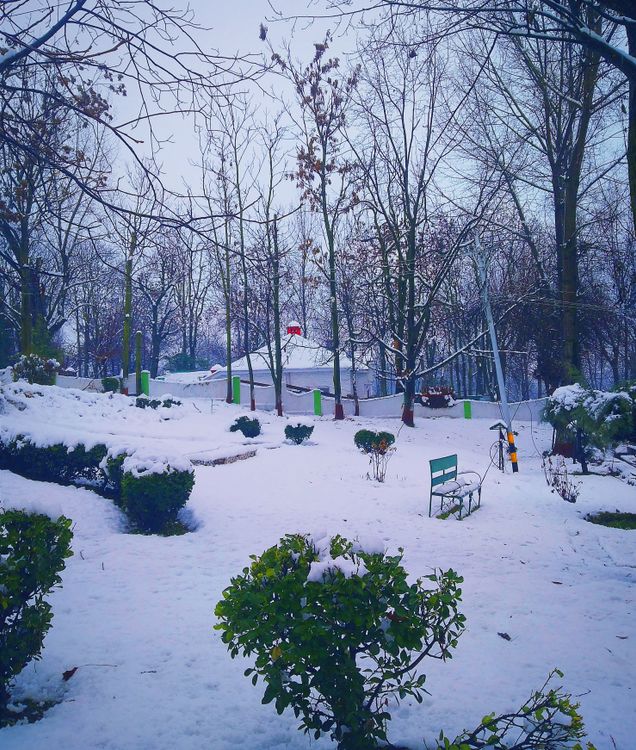
Matheran is more than just a weekend getaway — it is a reminder of what travel can feel like when we let go of our need for speed and constant convenience. In a world that is always telling us to go faster, this little hill station quietly insists on the opposite. It asks you to slow down, to walk instead of ride, to listen instead of speak, and to find joy in simple things like a beautiful sunset or a cup of chai shared with a stranger.
Whether you come for the toy train ride, the stunning viewpoints, the horse rides through the forest, or simply the chance to spend a weekend without hearing a single car horn, Matheran delivers in ways that are both simple and profound. It is a place that stays with you long after you have left, calling you back with the promise of more quiet moments and beautiful memories waiting to be pridee.
So pack light, lace up your walking shoes, and let Matheran work its quiet magic on you.